Horwitz Lab
Neural mechanisms of visual perception & visually guided behavior
Neurobiology & Biophysics · University of Washington
Research Areas
We combine Neuropixels electrophysiology, behavior, viral vector–mediated gene delivery, and optogenetics to dissect the cellular and circuit mechanisms of vision.
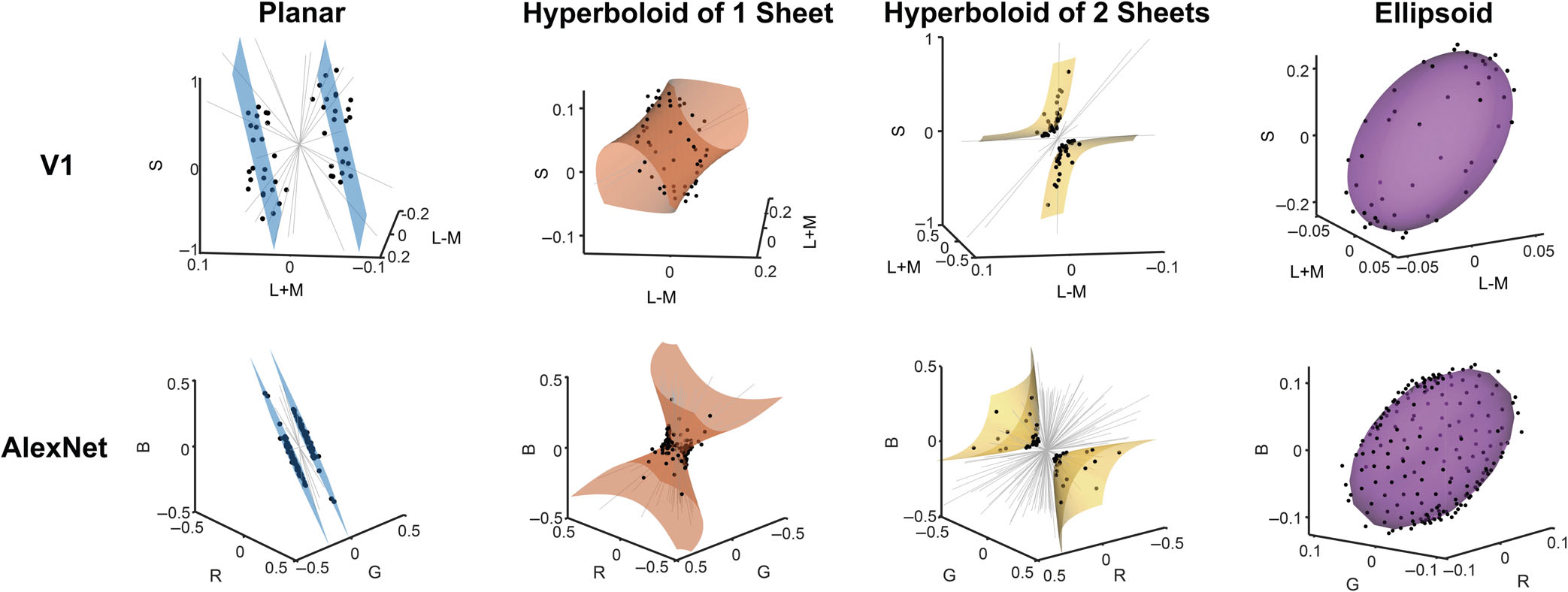
Color & Spatial Vision
How cone signals are combined in the LGN–V1 pathway to encode chromatic and luminance contrast. We compare response properties of V1 neurons and artificial neural network units to understand the computations underlying color and spatial processing.
Bun & Horwitz, Color Res Appl 2023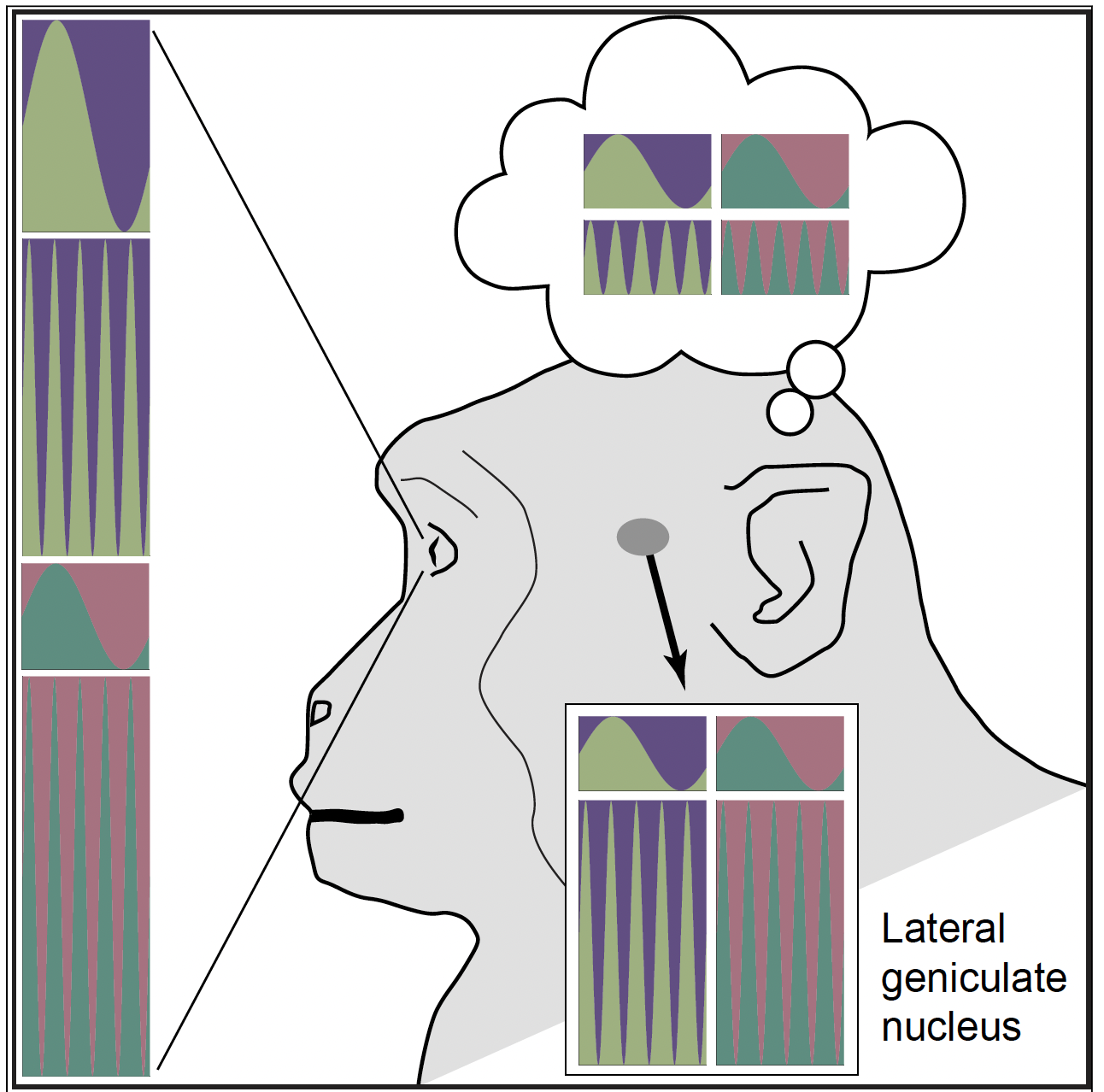
Flicker Perception
What limits the temporal resolution of vision and how early visual circuits process time-varying stimuli. We record from LGN neurons and use psychophysical methods to link neural responses to perceptual thresholds for detecting flicker.
Horwitz, iScience 2021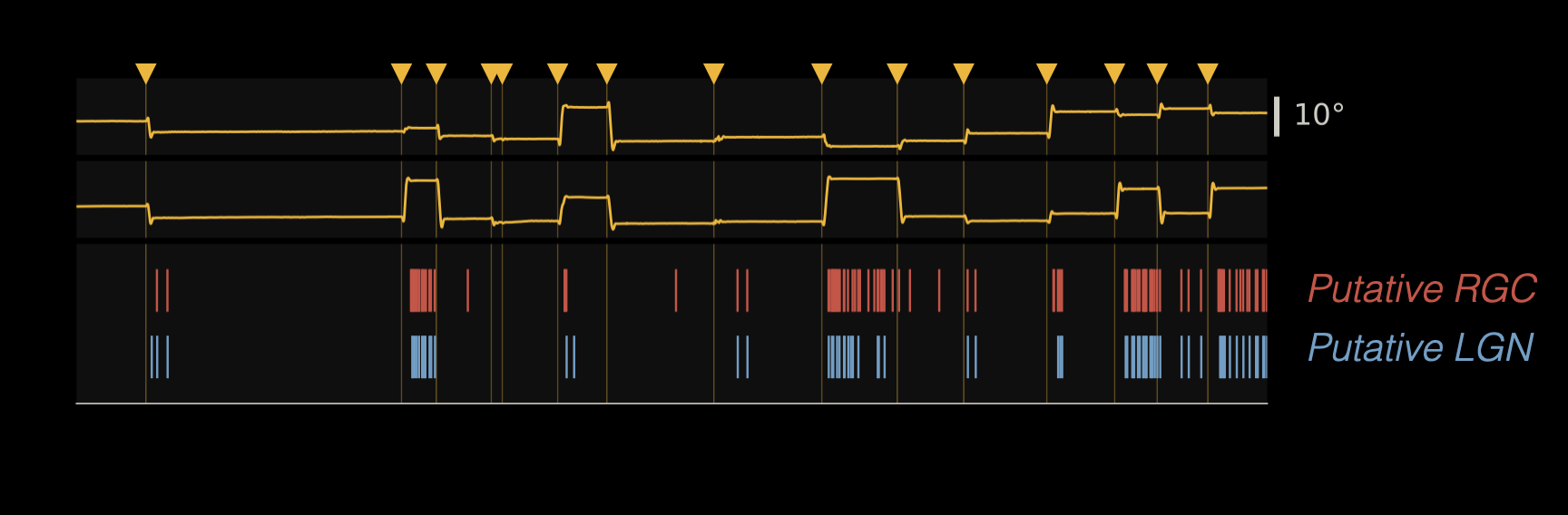
Eye Movements
How visual signals guide saccadic eye movements and what the cerebellum contributes to their control. We record neural activity during visually guided saccades to understand how the brain transforms visual signals into motor commands.
Ressmeyer et al., unpublished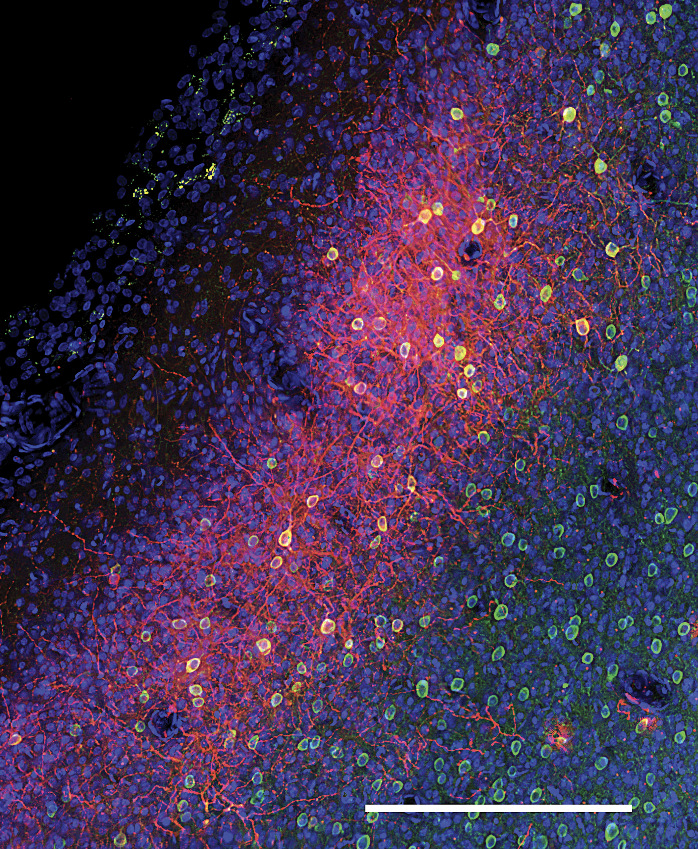
Viral Vectors & Optogenetics
Developing and validating AAV vectors targeting specific cell types for causal circuit interrogation. We use cell-type-specific promoters and intersectional strategies to achieve precise, reversible control of defined neuronal populations in the primate visual system.
De et al., eLife 2020Affiliations
Department of Neurobiology & Biophysics, University of Washington — and the Washington National Biomedical Research Center (WaNBRC).